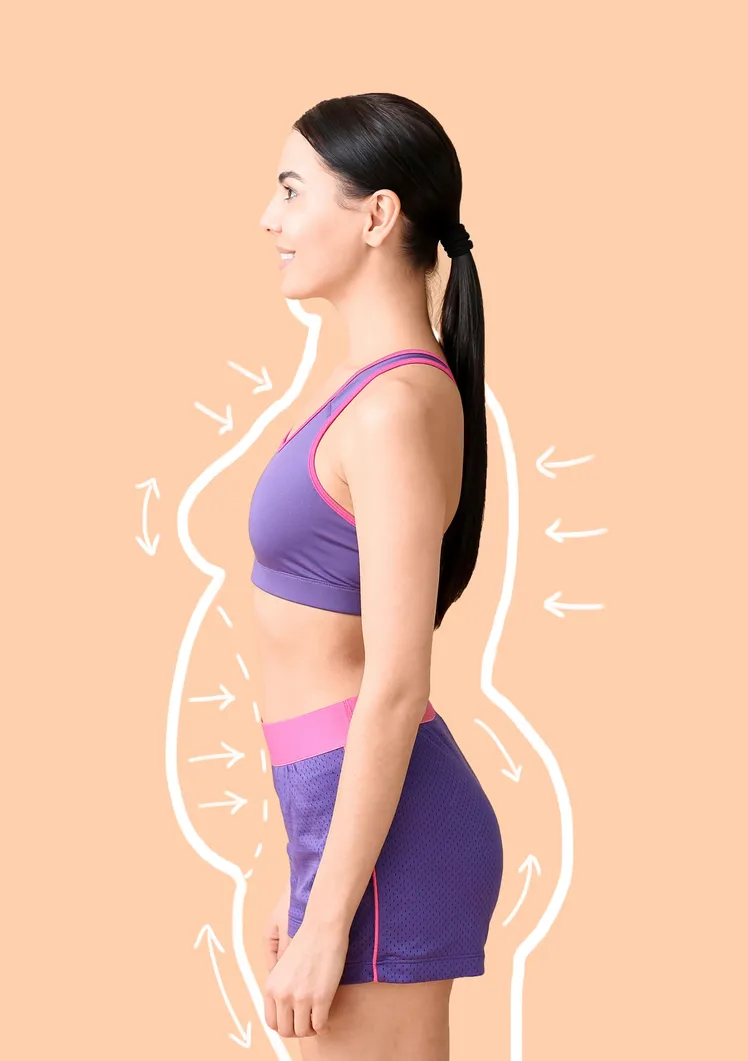
Based on the clinical evidence and the patient profiles where the compound appears most applicable, the following characteristics tend to describe good candidates for AOD 9604 evaluation when it is medically supervised: Patients with stubborn localized fat deposits that have not responded to diet and exercise, particularly visceral and lower abdominal fat Patients who cannot tolerate GLP-1 medications due to nausea, gastrointestinal side effects, or contraindications Active patients with reasonable baseline metabolic health who want a targeted lipolytic tool to complement their training and nutrition program Patients already on a peptide protocol who want to add a fat-targeting element to a GHK-Cu, NAD+, or sermorelin stack Patients who are not candidates for stimulant-based fat loss medications due to cardiovascular sensitivity, anxiety, or blood pressure concerns AOD 9604 is not appropriate as a standalone weight loss strategy for patients with significant obesity, insulin resistance, or metabolic syndrome
A systematic review examining studies on BPC-157 and musculoskeletal healing found that the vast majority were preclinical (primarily conducted in rats), with very limited clinical data in humans
Understanding these differences provides an important foundation for comparing how peptides and steroids work, their potential benefits, associated risks, expected timelines for results, and overall treatment costs
The THRIVE difference Boutique, provider-directed care from Kristine Kjolhede, FNP-C with physician supervision proper sourcing, individualized dosing, honest evidence, and real follow-up, for patients across Lakeway, Bee Cave, Lake Travis, and greater Austin















![Yamaha RZ 250 R 29L [RD 250 YPVS] - Federbein Stoßdämpfer Honda NSA](https://cdn.shopify.com/s/files/1/0871/4616/8646/files/download_678c3997-29b9-443a-acca-61aacab87fdb.jpg?v=1748016009)
![Honda CBF 1000 A SC58 [2006] - Pickup Honda CL](https://cdn.shopify.com/s/files/1/0871/4616/8646/files/download_cacfeb09-aa42-4b40-9f4b-4aaf39762f32.jpg?v=1747821474)


