How BPC-157 Works in Research How BPC-157 Works in Research In controlled laboratory environments, BPC-157 research peptide is studied for its role in: Supporting cellular repair and regeneration models Modulating inflammatory and immune responses Enhancing tissue recovery in experimental settings Investigating angiogenesis and vascular pathways Exploring gut-related cellular protection mechanisms This makes BPC-157 particularly relevant in studies focused on recovery, regeneration, and biological resilience
Selenium is present in Brazil nuts, seafood, meat, poultry, organ meats, grains, and dairy products
Evaluation of these downstream products of metabolic pathways provides insight into potential nutrient deficiencies, inflammation, toxicity, and other imbalances that could be contributing to clinical complaints
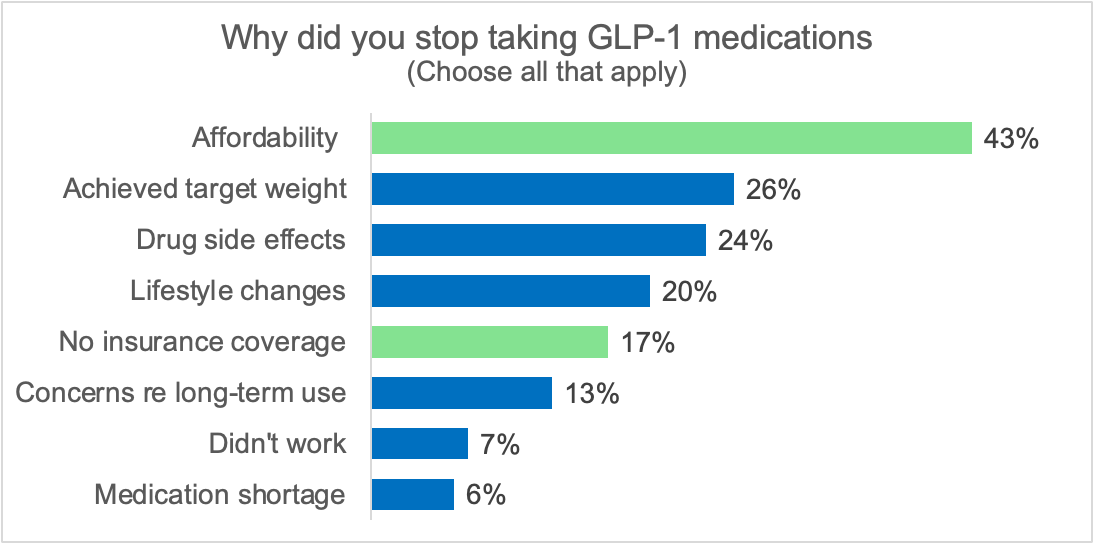
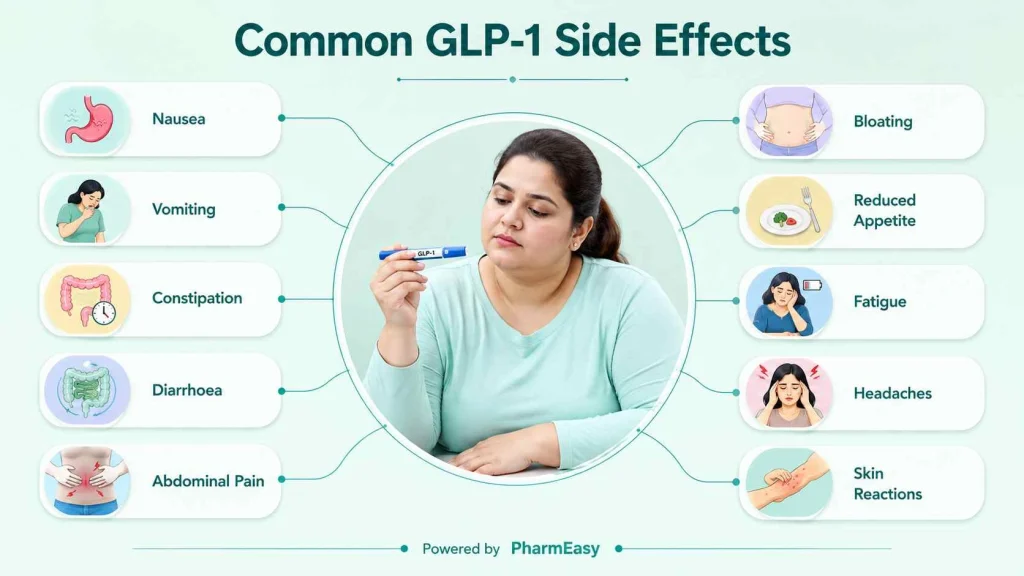
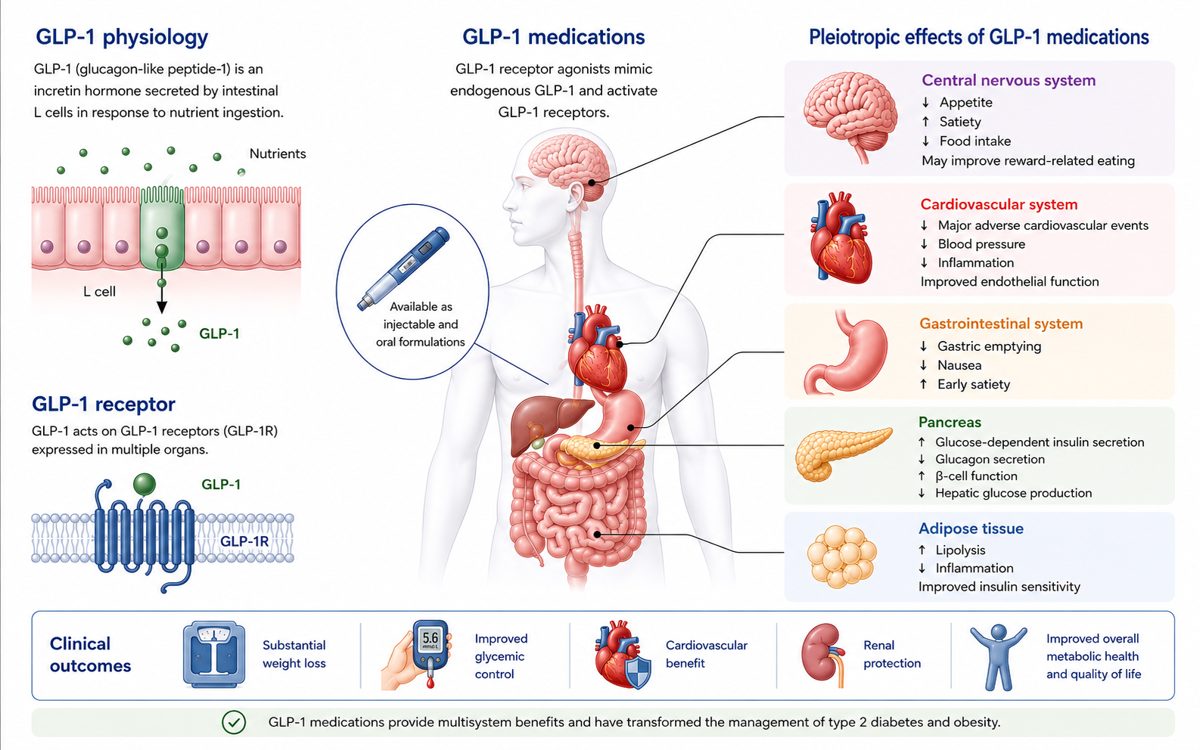
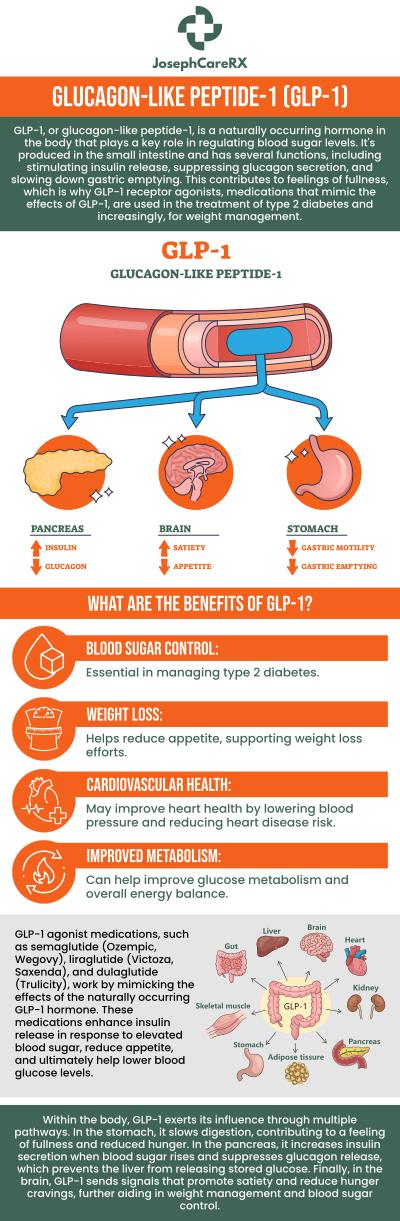
According to Eli Lillys press release on November 6, 2025, starting as early as April 1, 2026, Medicare beneficiaries will pay no more than $50 per month for Zepbound (tirzepatide). Get Your Free GLP-1 Quick Start Action Plan Monitor updates from CMS as implementation details for both programs may be refined as launch dates approach