For wellness purposes in non-deficient individuals, there is no universally agreed-upon schedule, and more frequent injections are not necessarily better
GLP-1 agonists stimulate the production of insulin by the pancreas, while reducing the secretion of glucagon, a hormone that increases blood glucose levels
Gastrointestinal effects are expected and typically improve over time, whereas thrombotic symptoms appear suddenly and progressively worsen
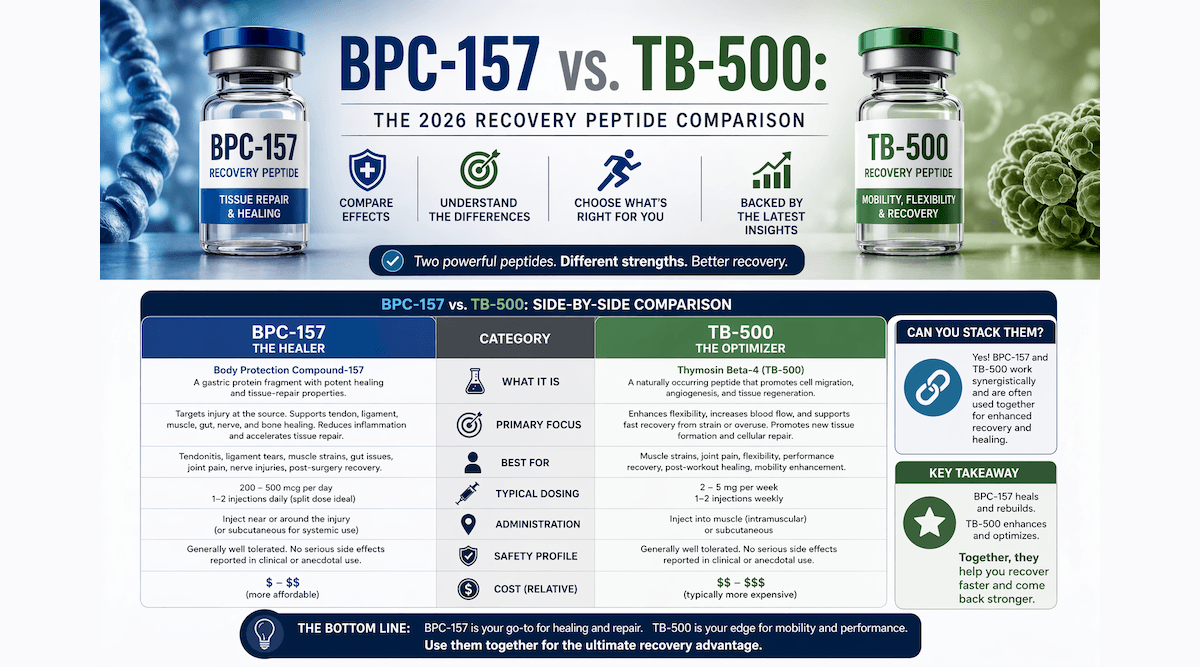
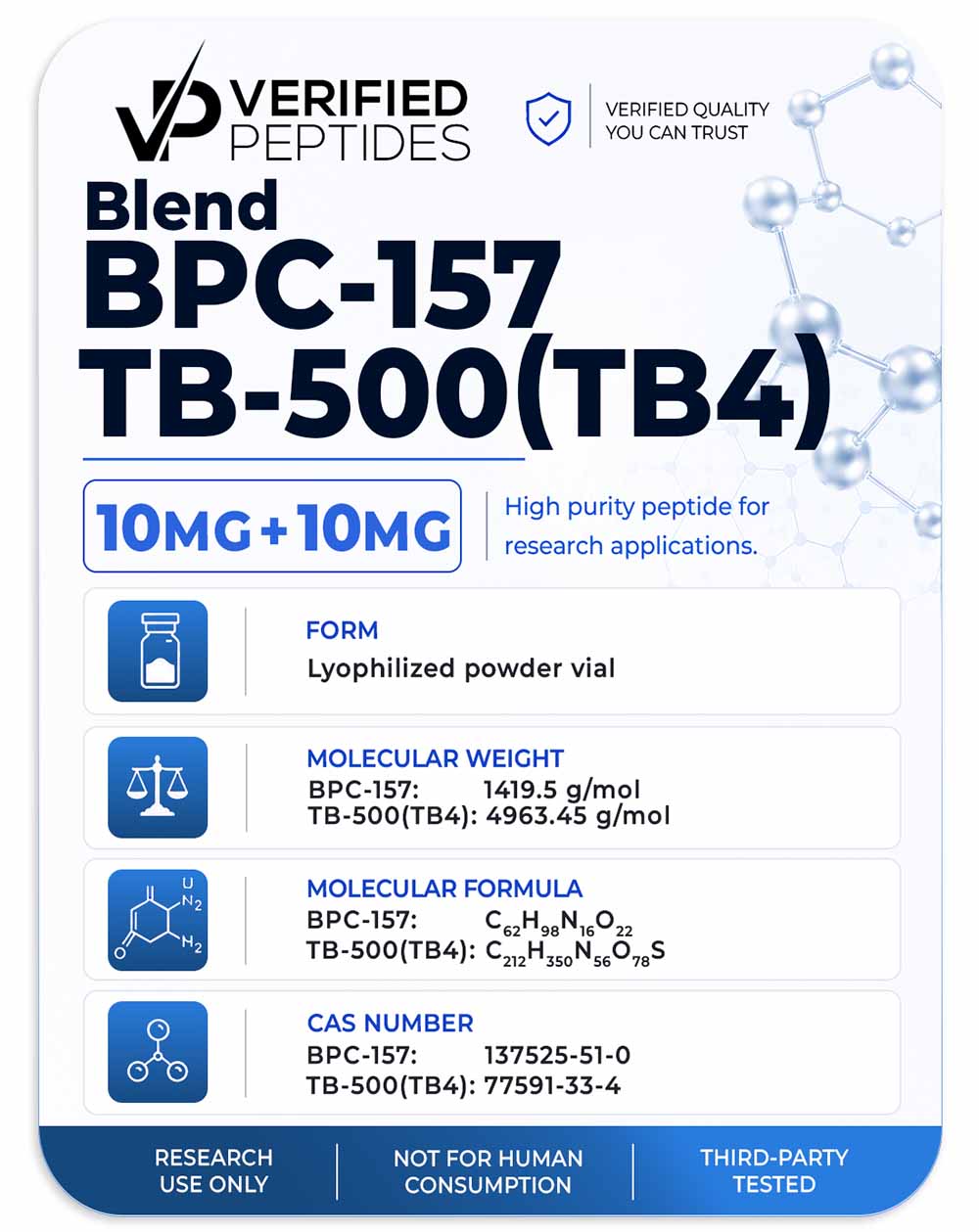
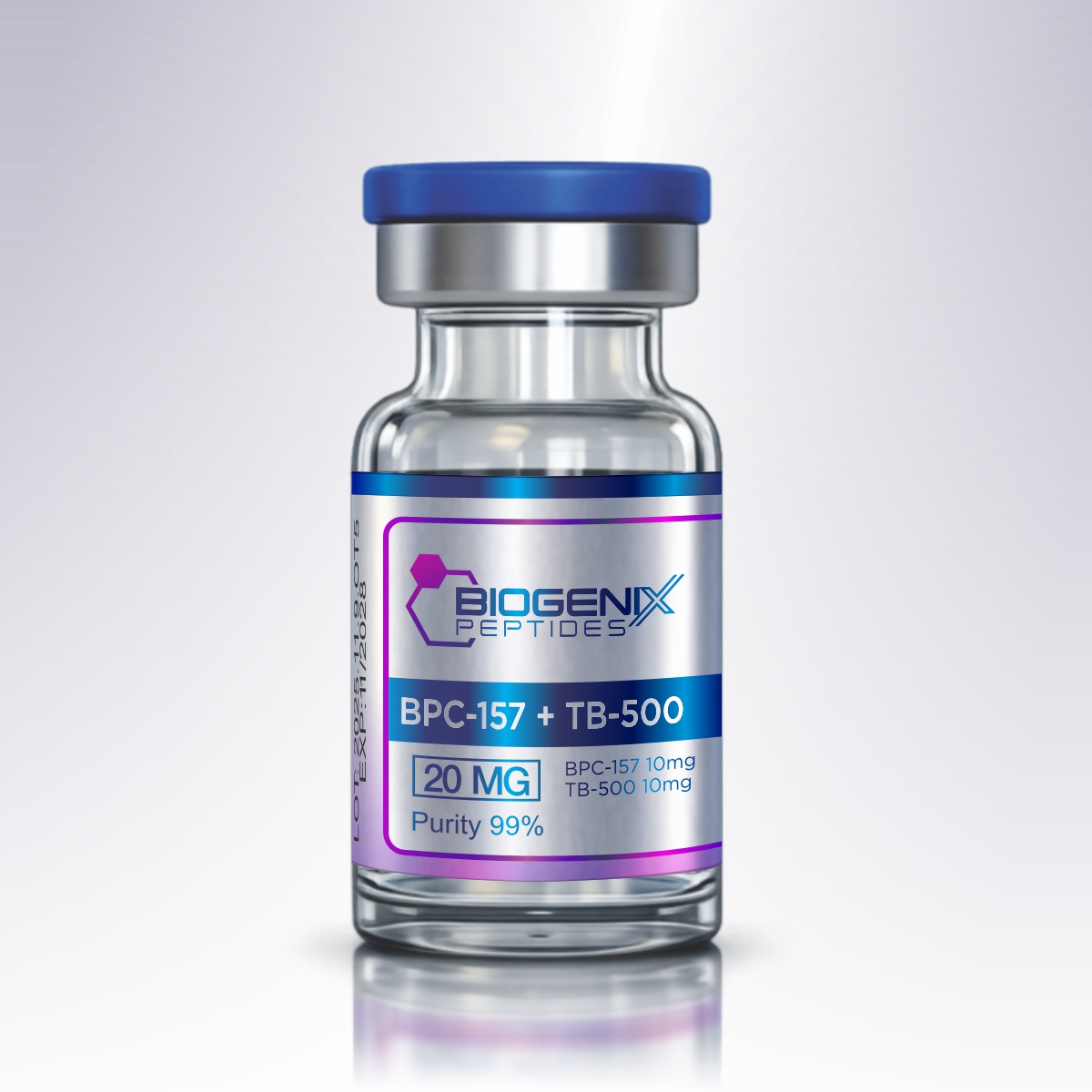
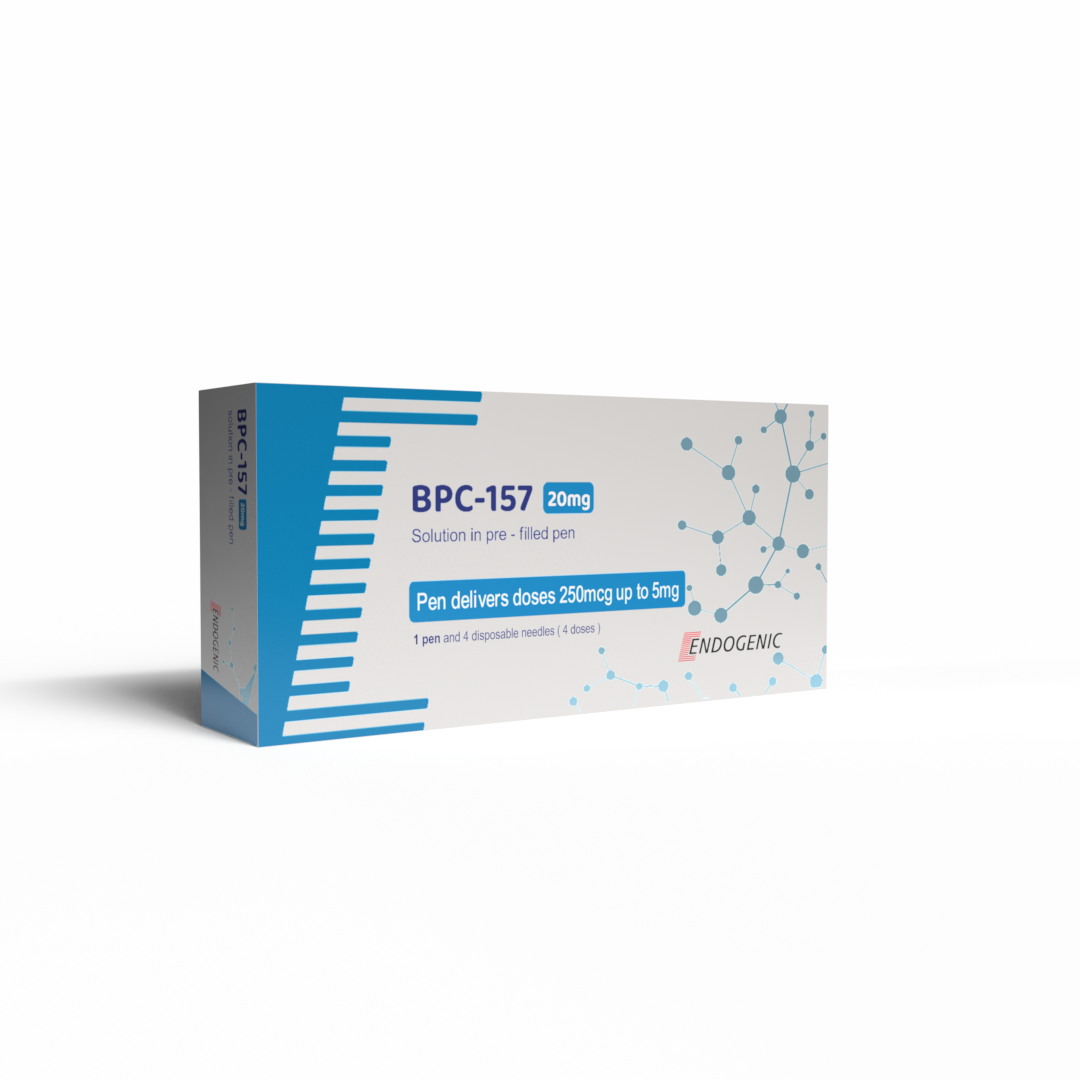
According to a comprehensive aggregation of all the scientific data on BPC-157 to date, the following benefits have been observed in rats [2]: Exerts protective effects during damaging surgical procedures or administration of a toxic substance Heals organ, bone, and joint damage Treats stomach ulcers Possesses anti-inflammatory properties While the side effects of BPC-157 appear to be non-existent, very little research involving human test subjects exists [3]: While BPC-157 is not approved by the FDA, it can be purchased by researchers and, in rare cases, can be prescribed by a doctor in certain circumstances