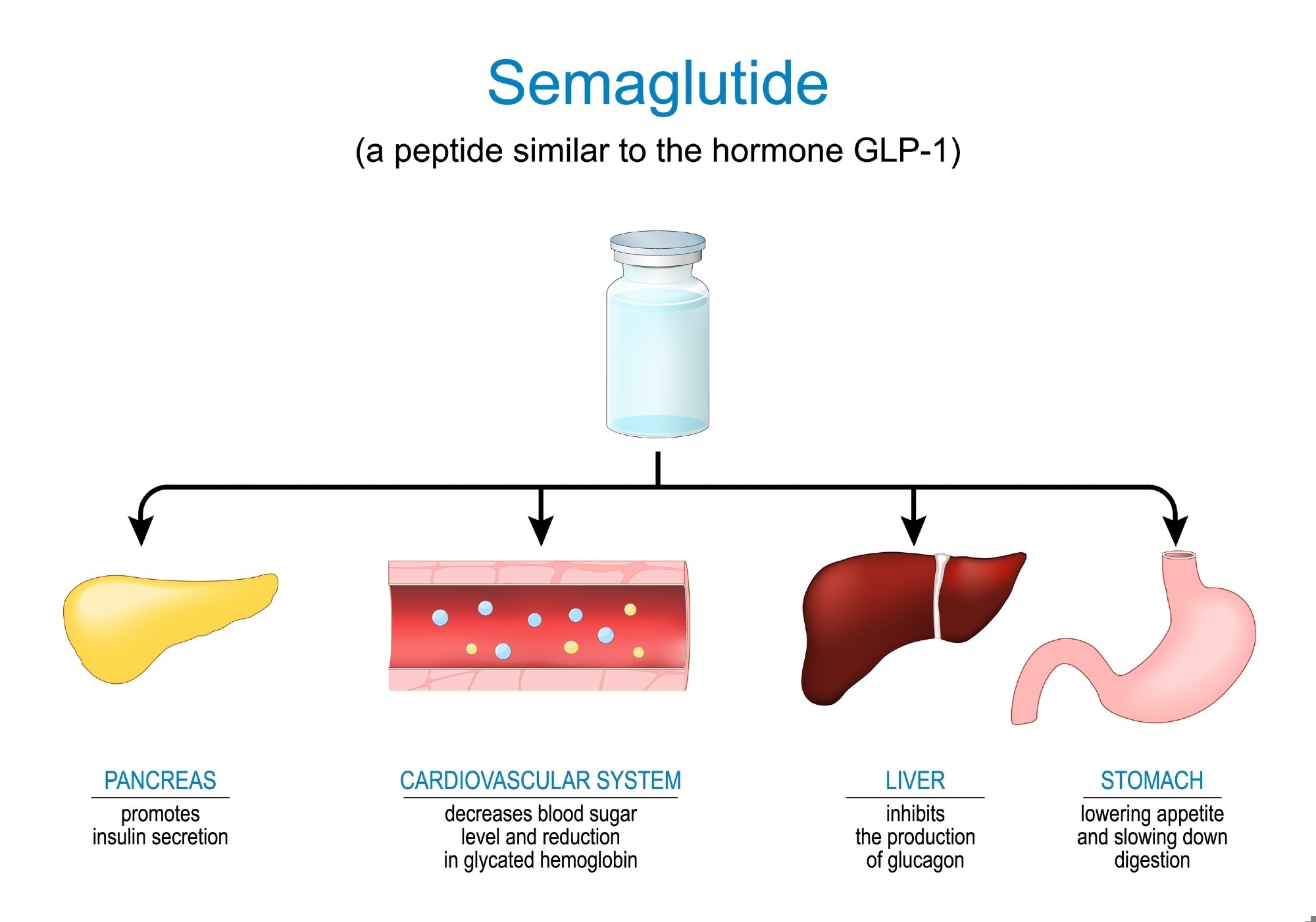
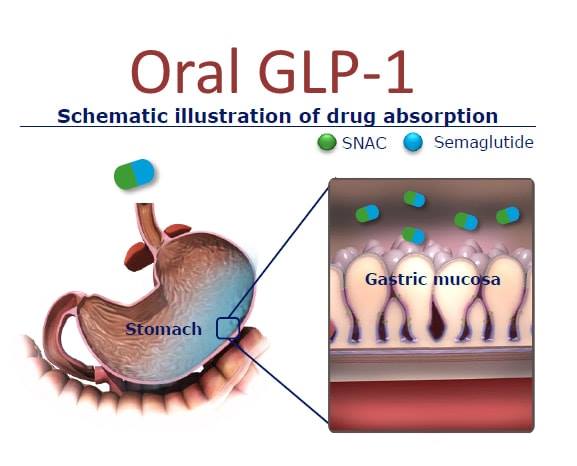
FIGURE 4 4.5 Inhibition of glucagon release Considered an anti-insulin hormone, 2022 marks the 100th anniversary of the discovery of glucagon, which is produced in islet cells through the processing of prohormone-converting enzyme 2 (Pcsk2) and acts through glucagon receptor (GCGR) (Hayashi, 2011)
This is accomplished by increasing glutathione levels and activating transcription factor 4 transcription
You can check if your question has already been answered, or you can contact support via the orange Support button in the bottom right-hand corner
Meanwhile, to further enhance the convenience of wound therapy and achieve controlled drug release, hydrogel-based (e.g., hyaluronic acid, alginate, and gelatin) delivery systems for drugs or exosomes can be established, providing an integrated intervention-delivery solution for precise regulation of ferroptosis in diabetic wounds [49, 87, 89, 98, 108]