Serum selenium and serum lipids in US adults: National Health and Nutrition Examination Survey (NHANES) 2003-2004
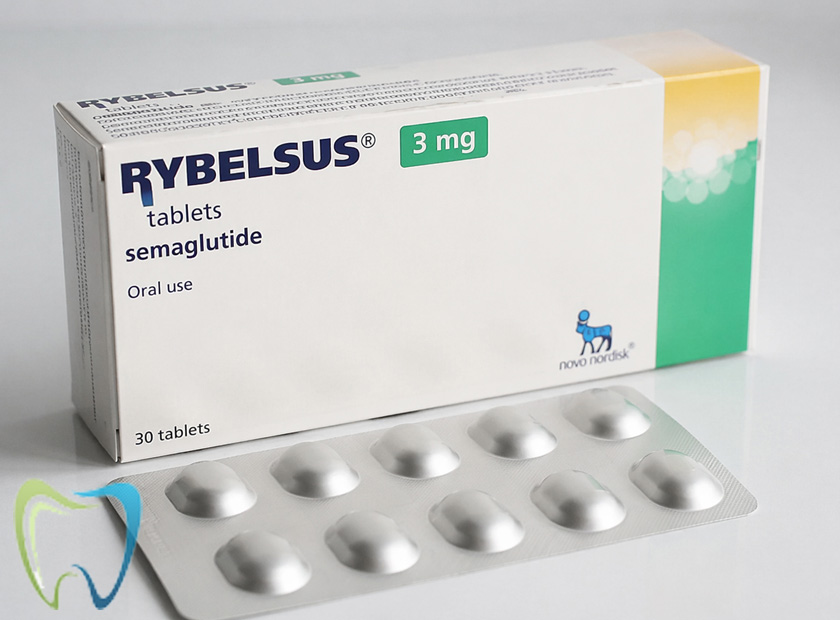
For best results, take the tablets with your largest meal of the day
Specific red flags that warrant immediate medical attention include: Inability to keep down liquids for more than 24 hours Signs of dehydration (decreased urination, dark urine, dizziness, dry mouth, rapid heartbeat) Reduced urine output suggesting possible acute kidney injury Severe abdominal pain, particularly if localized or worsening Right upper quadrant or shoulder pain, jaundice, pale stools, or dark urine (signs of gallbladder disease) Severe bloating, inability to pass gas or stool (signs of possible bowel obstruction) Vomiting blood or material that looks like coffee grounds Fever above 100.4F (38C) Persistent vomiting that prevents taking other essential medications Unexplained weight loss beyond what is expected from the treatment Symptoms of pancreatitis (severe upper abdominal pain radiating to the back, often with nausea) Patients with diabetes using these medications require particular vigilance, as vomiting can affect blood sugar control and increase the risk of hypoglycemia, especially if taking insulin or sulfonylureas concurrently
Abbreviations GLP-1: Glucagon-like peptide-1 ID: Intradermal References American Diabetes Association
.jpg)